Building in Public Is the Best Way to Give a Startup Product a “Cold Start”
By making the process transparent, it gradually builds trust and an audience of potential users. It is one of the best ways to help entrepreneurs get through the “cold start” of bringing a product to market.
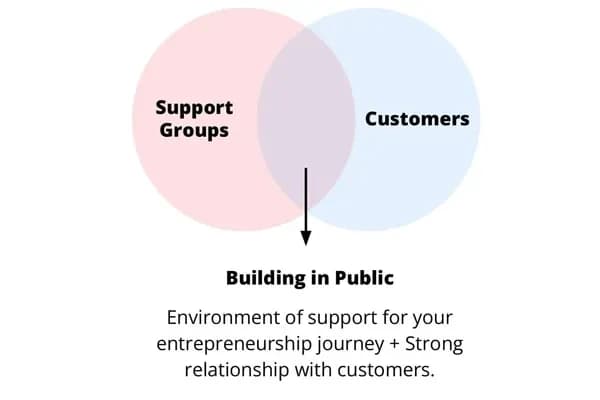
I think “build in public” is a very good idea.
It means exactly what it says: building a product out in the open.
At its core, it advocates that if you want to make a product, you can show the entire process to the public, allowing people to follow—and even participate in—its creation.
Because the process is transparent, you gradually attract attention and build trust with users while you are working. That can help you quickly acquire your first seed users when the product finally launches.
The idea isn’t particularly new. It has been around for more than a decade, and originated in technical communities.
I don’t know how many people remember this, but many years ago crowdfunding platforms were hugely popular overseas for a while.
Creative people who wanted to make products would put their ideas—or early prototypes they had already made—on a crowdfunding platform.
If you were interested in a product and wanted to support its creator in making it, you could contribute a certain amount of money.
Then, when it launched, you could use it for free or at a very low price, or receive a copy of the product.
It was essentially investing in the product ahead of time.
The model was later copied in China, but most of those platforms were subsequently shut down. We won’t discuss the specific reasons here; there were indeed issues related to local circumstances.
Still, that doesn’t change my view that building in public is quite a good model for people who truly want to create products.
I think it is fundamentally an expression of lean startup thinking. You first make a minimal MVP at the lowest possible cost. Sometimes you may not even need a small prototype—you may have only an idea.
First, you test that idea or prototype in the market. Users give you feedback on whether it meets a real market need and user need. Then you iterate, increase your scale, and create a finished product to launch.
This can also give entrepreneurs greater protection and safety when it comes to investment costs and commercial sustainability.
I have been thinking about this idea recently and finding it interesting. I wondered whether there was a similar example in China that could illustrate it and make it easier to understand.
Then it suddenly occurred to me that a good friend’s business was right there in front of me. Her approach is quite representative of building in public: my mentor 瑶瑶 (Yaoyao, who taught me short-video creation).

Yaoyao is quite influential in the field of developing personal brands through short videos. At least, I feel that hardly anyone in that field doesn’t know her. In any case, I learned to make short videos from her.
Around the middle of last year, she began moving into AI, exploring what AI agents could do within the broader system of developing and operating personal brands.
What I find interesting about Yaoyao is that, whether she was working on short videos in the past or exploring AI now, she shares every stage of her learning, experiences, and product-building explorations on her own short-video account and WeChat public account.
She continually shares new ideas and progress from her learning, as well as the products and iterations she has made.
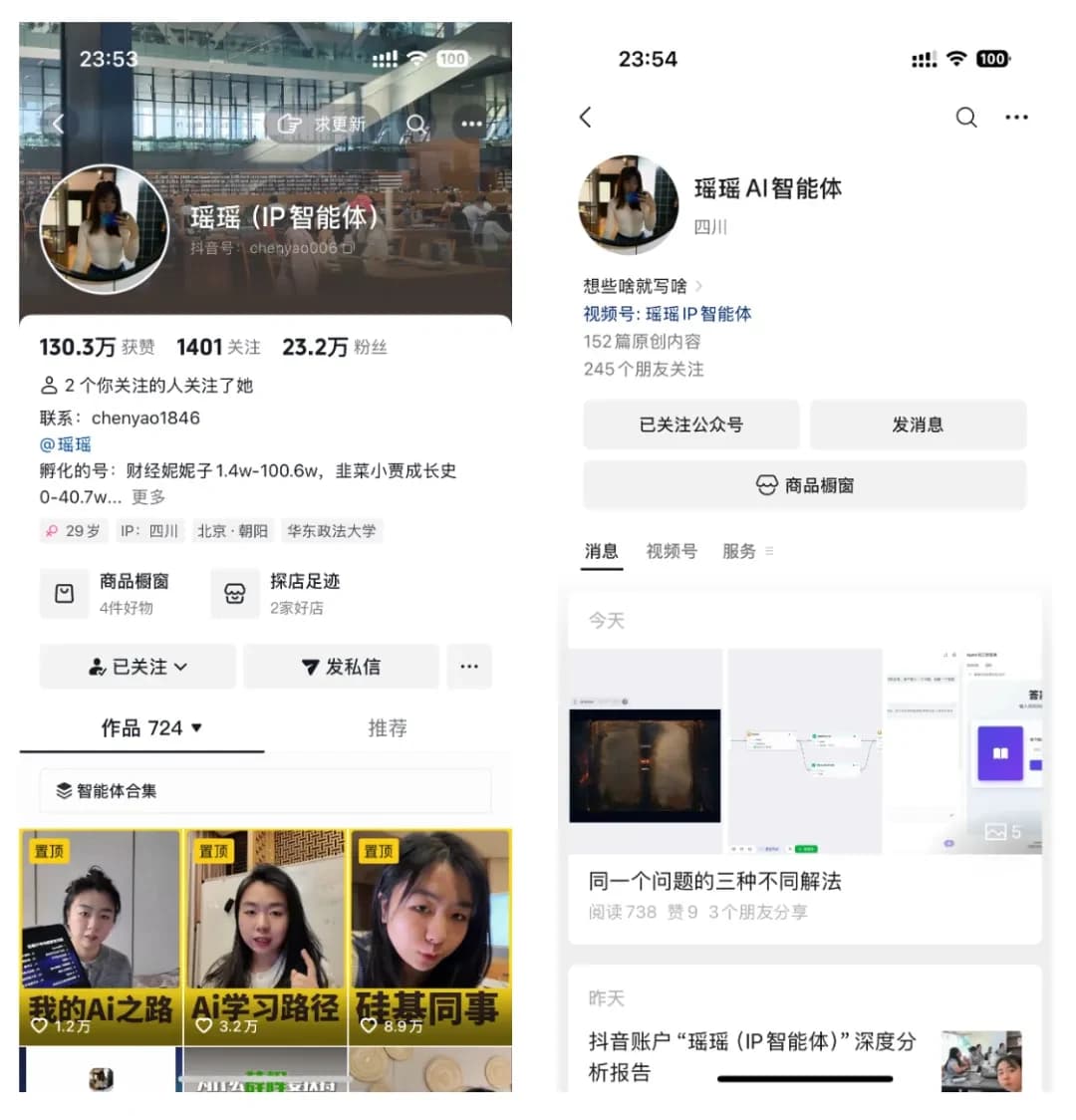
In the process, she has attracted many people who keep following her work.
I remember that before she moved into AI, her main account for personal-brand development had around 160,000–170,000 followers. It should now have 230,000. Many additional people have followed her because of AI.
A few months later, toward the end of last year, after a period of exploration, she really did begin making her own paid AI learning products.
She shared the entire exploration and her thinking about the product step by step. I think many of those followers may have eventually become customers of her AI products.
Even now, she continues learning and exploring every day how AI can be applied in her business field and combined with the business scenarios she knows well.
So I think Yaoyao is a very typical example of an entrepreneur putting the idea of building in public into practice.
On one hand, sharing what she creates drives further learning. She continually pushes herself to think, iterate, and try new things, which may in turn inspire and attract more people to follow her.
On the other hand, the people who follow her and learn under her guidance may one day become testers of her new products, or become customers.
It is a very positive, very good business cycle, with something of the “Amazon flywheel” about it.
The idea remains popular even now. The platforms for sharing have simply changed from crowdfunding sites to social media.
You can still see many entrepreneurs trying this on X (Twitter) and Facebook.
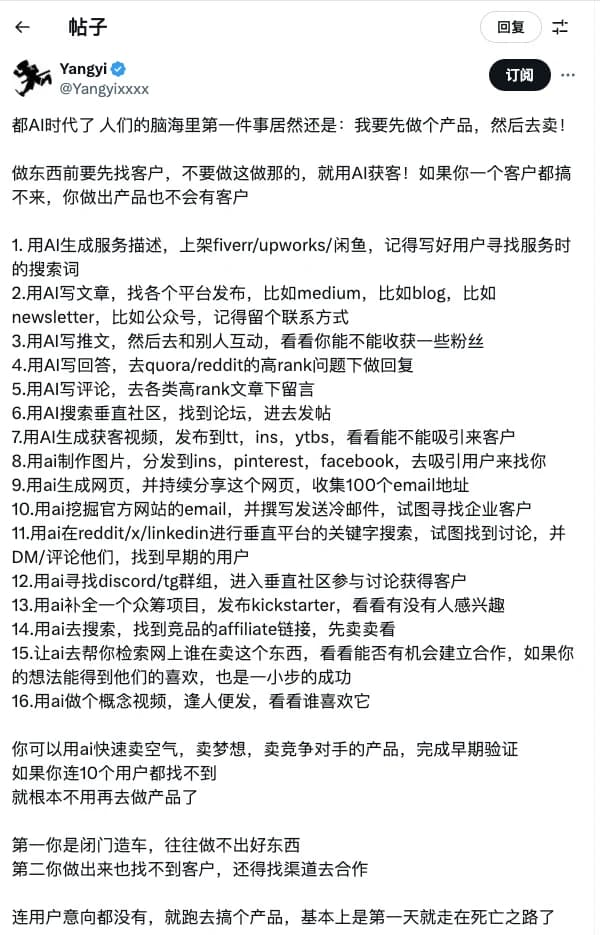
So I sincerely think entrepreneurs—especially product entrepreneurs—should bravely put building in public into practice, developing their products out in the open.
By making the process transparent, it gradually builds trust and an audience of potential users. It is one of the best ways to help entrepreneurs get through the “cold start” of bringing a product to market.
I am seriously thinking that, if I want to make products next, I should begin this way too: let more people see the process, and even offer suggestions and feedback, helping me make more valuable products.
I really recommend giving it a try if you have a product idea.