About
Building useful things, and choosing how to live.
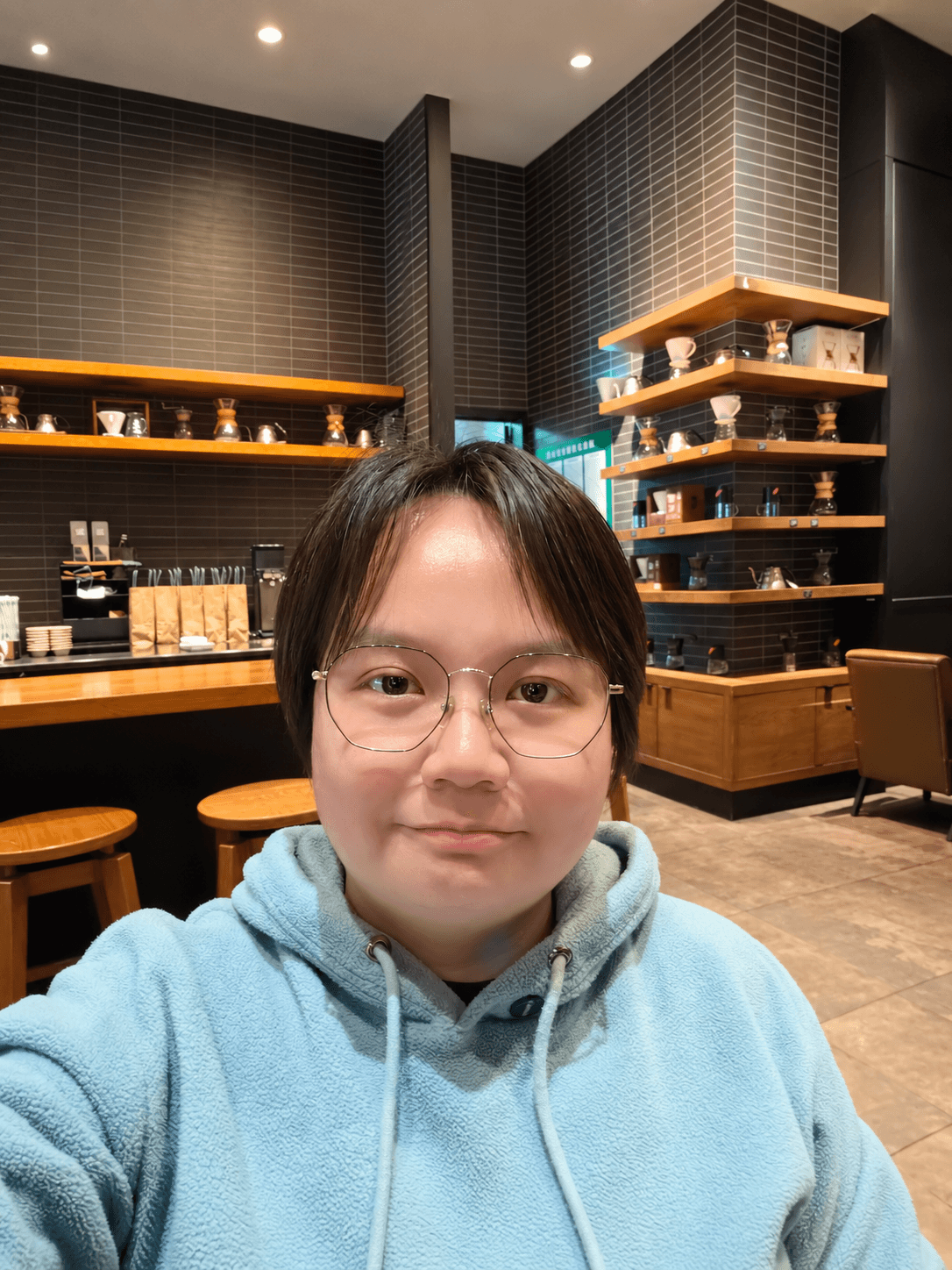
I’m Erika Meng, also known as 孟善见, living in Chengdu, a city in southwest China. I’m working with AI to build products and exploring a business of my own, while finding a way of working and living that feels right for me.
A wish to build a bridge
I grew up in Chengdu. I started learning calligraphy at the age of four or five and kept at it for more than ten years, and it has given me a deep affinity for traditional Chinese culture.
As a teenager, I wanted to study abroad and see more of the world. I also sensed that I would go into business someday, hoping that one day my work could make a positive impact on society.
Alongside that was a less defined wish: to become a bridge between China and the wider world—sharing the best of China with the world, and bringing back what is worth learning.
The road since then has been long, but that wish has stayed with me.
Engineering taught me about technology, and business about people
In late 2003, I moved from Chengdu to Singapore to study. At Nanyang Technological University, I studied environmental engineering, while also taking a number of electives at the business school.
After graduation, I spent a year doing research at my university. My professor wanted me to continue with a PhD, but I preferred to work in industry. Before leaving, I gave him a piece of calligraphy I had written of Inscription on a Humble Room (《陋室铭》). It was also the first time I spoke with him about my wish to build a business.
I went on to work in sales, projects, and marketing. Much of my greatest growth came during my years in key account sales at a leading global engineering company.
I returned to Chengdu in 2015 and later entered the SaaS and internet sectors, gradually taking on work across marketing, product, and business operations.
My technical background helps me understand products. My experience in business and working with customers has also gradually shaped my sense of business context, product strategy, and organizations and people.
When I look at a product today, I still tend to ask first: Who is it for? What problem does it solve? Why would someone need it?
First, a pause. Then, a different choice
At the end of 2022, a career setback brought me to a complete stop. I withdrew from all social contact. For a while, I did nothing—simply allowing myself to be still and get through each day.
Half a year later, looking back, I felt as though life had pressed pause for me—a signal that it was time to find a different way to live. As I slowly recovered, I began asking myself what kind of life I really wanted.
Eventually, I decided to try building a business of my own, one that could support me, be useful to others, and be something I'd want to commit to for the long run. I learned about content creation and audience growth, explored AI, and little by little found a new direction.
Now, I'm starting to make the things I imagine
Turning a product idea into something real used to be where I got stuck. AI gave me a way to try building it myself for the first time.
Today, I build tools out of my own real needs, while learning how to turn ideas into reliable products and exploring a business that can last.
Lately, I’ve been making two video workbenches for myself, along with this website. I don’t have any big achievements to point to yet, and I’m still exploring the commercial side. But I find real enjoyment, calm, and contentment in the work—even in its fiddly, difficult parts.
I'm also exploring products connected to Chinese culture, and ways to help Chinese brands communicate better with overseas audiences. These directions are still experiments, but they've brought me back to that teenage wish: to make things that connect China and the wider world.
Products are a form of expression
Creating content and building products are, at heart, the same act in different forms.
A small tool or a single essay — if it brings someone a little ease, insight, or joy, it's worth making with care.
In the age of AI, anyone can have a conversation with the world through what they build.
I’d love to hear your stories and thoughts, too
Tell me about a product, share an idea, or let me know if part of this story felt familiar. You’re welcome to email me directly.